


Tiny white bumps or what is called Milia is quite a common skin condition. If you too have seen these tiny bumps on your face, ignore the urge to pluck or squeeze them out! Read on to find out everything you need to know and manage these annoying, albeit cosmetic bumps.
What is Milia?
Think of them as dead skin cells that are trapped under your skin and thus form tiny cysts. These typically appear on your nose, cheeks or even around your eyes. How do you know that these are milia? These tiny white bumps are not itchy nor painful and are just a cosmetic hindrance in most cases. A milium is different from a pimple, as these are small bumps of cysts made up of keratinized or hardened dead skin cells stuck beneath the skin’s surface.

Why do I get Milia?
Milia are diagnosed depending on your age or the cause for these cysts. Typically, there are two types – primary and secondary. Primary milia appear spontaneously, usually around the eyes, forehead, and cheeks. On the other hand, secondary milia are often a result of injuries or skin damage due to sun exposure. Another reason never to skip sun protection! They can also be caused by abrasive skin treatments or burns. And while primary milia usually go away on their own, secondary milia can be permanent. Love your skincare? Another major cause is the use of heavy skincare products, long term use of steroidal creams and ageing.
How do I get rid of it?
While most milia tends to go off on its own, there are ways to eliminate these white bumps faster.
- Leave it alone
Just like acne, extracting your Milia on your own can be disastrous for your skin. Do not pop nor squeeze it! These tiny white bumps won’t budge with squeezing and you’ll only be left with scars and further irriation of skin.
- Say hello to exfoliants
And we are not talking scrubs and microbeads here! Exfoliating products with salicylic or glycolic acid are great tools to counter skin bumps. Any harsh physical scrubs can cause further microtears and are not recommended. Remember though that with chemical exfoliants like salicylic and glycolic acid, you will need to use them for a longer period, to see results.
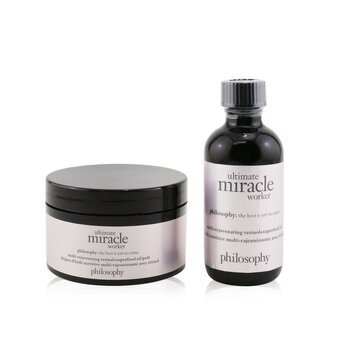
- Embrace Retinol
Topical retinoids have many benefits beyond their anti-ageing credentials. Retinol can help your skin exfoliate quicker while preventing dead skin cells from forming underneath your skin. Retinoids also help to loosen and exfoliate the milia on your face, making it a faster way to get rid of these dead cells.
- Meet a doctor
There are plenty of other ways to take care of stubborn Milia, lasers and cryotherapy included. Should your milia be of any trouble or causing more discomfort than a normal skin bump, consider making an appointment with a skin doctor to further evaluate. Some doctors may suggest a professional extraction under the hands of an experienced technician. Do remember to never try this on your own as it can leave you with acne scars that will be harder to treat!


