


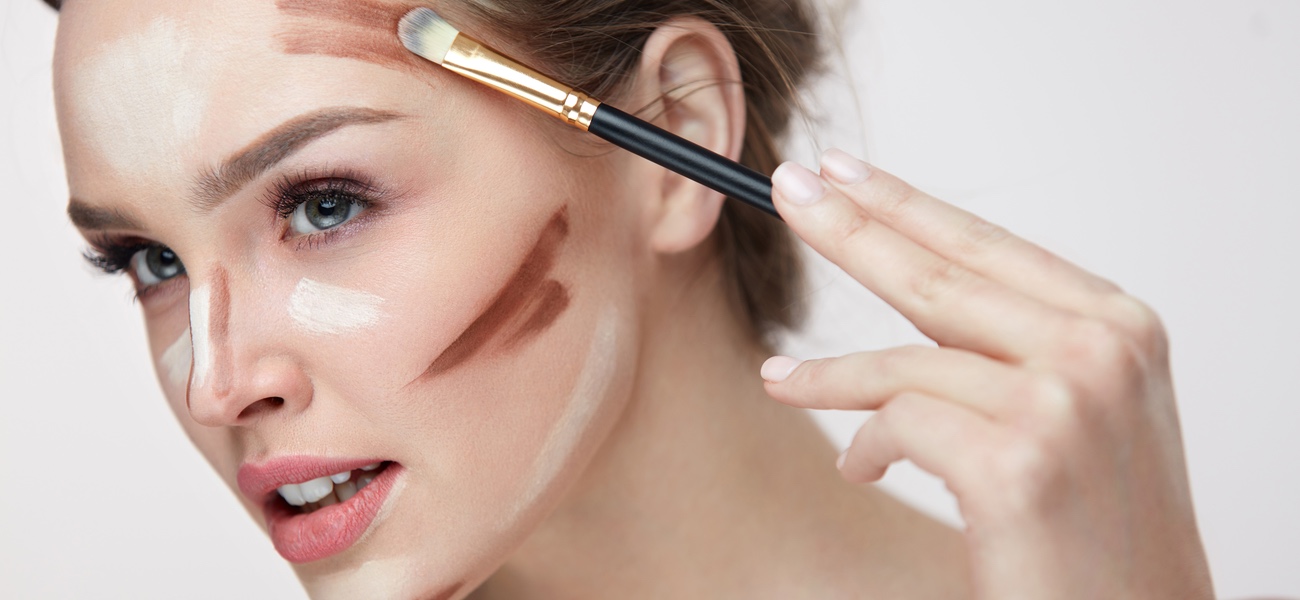
Any makeup connoisseur will tell you that contouring is just as fundamental as your foundation. While foundation lays the base of your look, a contour shapes your face to make it look slimmer and more defined. It also creates an illusion on your face shape(slimmer- yay!) and improves your features. Case in point: a great contour makes your jawline look sharper or your nose pointier. Basically, it is like magic that brings out the best in your facial features.
But let’s face it, a contour is as easy to mess up – there are so many factors that play out when it comes to contouring. If you need some help in choosing the right contouring shade, read on. As the first step towards a contoured look, this choice can make or break how successful you are!

Determine your skin undertone for the best contouring product
This may sound like a basic makeup principle, but just like everything else, it’s crucial to know what your skin undertone is to find the perfect contour shade. To start with, your natural skin tone will help you choose the shade that will suit you best. But if you’re still unsure, here are some general tips depending on your undertones:
- Fair/medium skin: cool-toned colours, taupes, and neutrals
- Tan/olive skin: warmer, golden colours
- Darker skin tones: neutrals with a combination of red and blue undertones
You can also test in on the inside of your arms to get better perspective of how it would look on your skin. Sometimes brands also have complexion matchers online, where you feed in your current foundation shade to find out what your corresponding concealer, foundation or other colours should be.
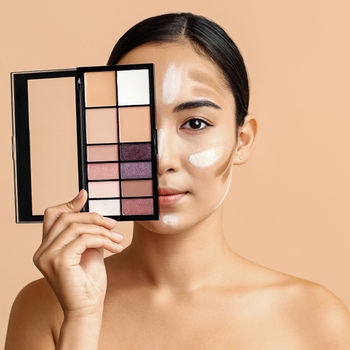
Learn your contouring shadows
Contouring darkens certain areas of your face to add ‘shadows’ and make it look snatched and defined. And when applying to contour, you have to pay attention to the shadows on your face, a.k.a. where you want darker and slimmer angles to become more obvious. By learning these shadow areas, you can choose the perfect contour shade, so you don’t end up with the wrong colours or that blotchy look we all hate! Start by picking the same colour as your skin or your go-to foundation, but only one to two shades darker. Remember not to go darker than this, and slowly work your way by blending in more colour as you go.
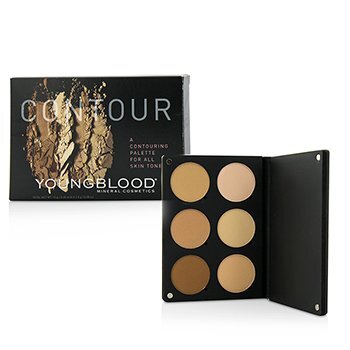
Mix and match your contouring shades
Do you know how sometimes we have to mix two foundation shades to get it to really match our skin? Well, that also goes for our contour. When creating shadows on your face, you need to find a colour that highlights the places of light and brightness on the face first, then the areas where you want it to appear. This helps you choose contour colours easier, instead of just focusing on one shade and making it work. You can mix a lighter shade then follow it up with a darker one for a better, more realistic definition. Contouring palettes work well for this sort of strategy – you get a range of colours to play with and can highlight as you go!
Pick a contour texture that suits you best
Contour products come in powder or cream form, and while they both work the same, it’s all up to you to decide which texture you are more comfortable with. Powder formulas offer a subtler pigment, which means you have less risk of overdoing it. However, they are not as long-lasting as their cream counterpart. Cream contours have a more dramatic colour and stay on your skin longer. However, you might want to set it with powder as they are more prone to caking.
There you have it! All the tricks and tips you need to nail that well-contoured look. For a full selection of foundation, concealers, highlighters and contouring products, check out our curated range here.


